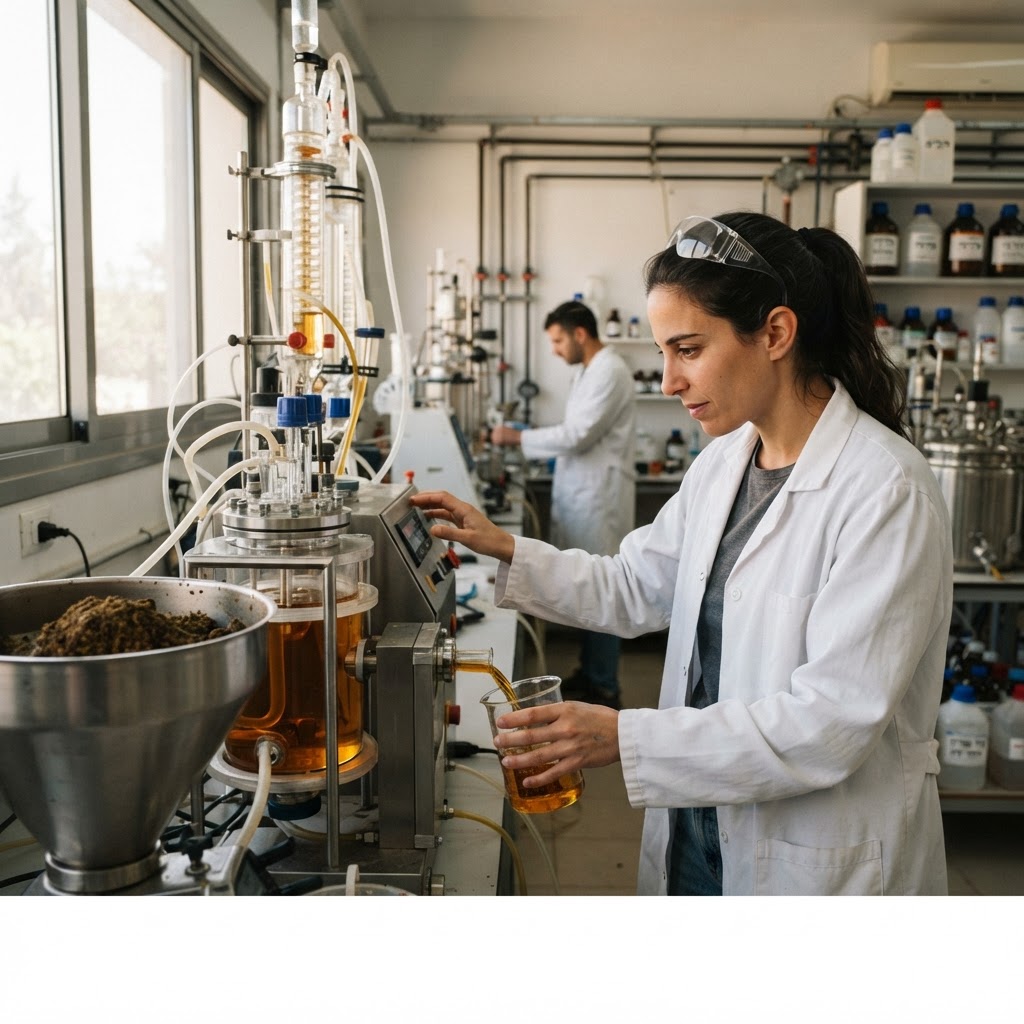
In the sun-drenched region of Emek Hamayanot, a quiet revolution is unfolding that promises to reshape the Mediterranean agricultural landscape. The Israeli startup PhenOlives has developed a groundbreaking approach to one of the industry's most persistent headaches: olive pomace. This thick, polluting sludge, traditionally left over from olive oil production, has long posed a significant environmental challenge for producers worldwide. By turning an ecological liability into a thriving resource, this team is proving that sustainability and profitability can go hand-in-hand.
Transforming Waste into Wealth
At the heart of this innovation lies the patented Total Solution Impact (TSI) system. Unlike conventional methods that often struggle to manage the environmental runoff, this advanced technology processes 100% of the olive pomace generated during production. By carefully separating the pits, pulp, and wastewater, the PhenOlives system creates a closed-loop cycle that leaves virtually nothing behind. This method effectively neutralizes the pollution that typically threatens local ecosystems while simultaneously extracting maximum value from the harvest.
A Triple-Stream of Sustainability
The outputs of the TSI system are as impressive as the process itself, yielding three distinct and valuable commodities. First, the byproduct is refined into flour, providing a nutritious and sustainable ingredient for the food industry. Second, the system extracts high-quality antioxidant extracts, which are highly sought after for their health benefits in both supplement and cosmetic markets. Finally, the process recovers clean water, offering a vital resource back to the agricultural sector during a time of global water scarcity.
Looking Toward a Greener Horizon
By embracing this circular economy model, PhenOlives is setting a new global benchmark for the olive oil industry. The initiative highlights the ingenuity of Israeli technology in solving complex environmental hurdles through localized, scalable solutions. As farmers and producers adopt these methods, they contribute to a cleaner planet while unlocking new revenue streams from what was once considered waste. This forward-looking approach ensures that the ancient tradition of olive oil production can flourish sustainably, nurturing both our communities and the earth for generations to come.