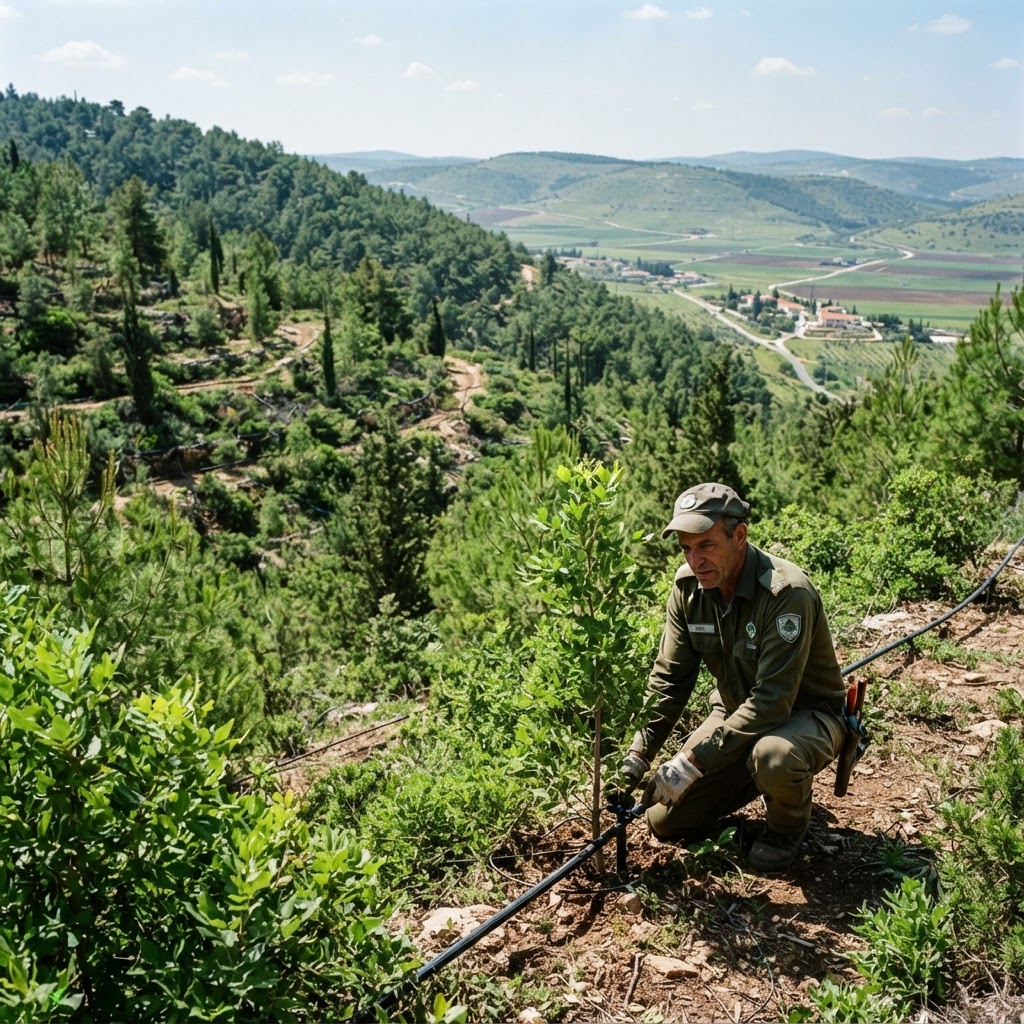
Israel stands as a unique global success story in environmental restoration, marking a journey of transformation that is as ambitious as it is historic. It is the only country in the world that entered the 21st century with more trees than it possessed at the start of the 20th century. This achievement serves as a powerful testament to a nation's commitment to healing its land and ensuring a sustainable future for its citizens and wildlife alike.
A Legacy of Growth and Resilience
Since 1900, approximately 250 million trees have been planted across the diverse landscapes of the nation, effectively reversing centuries of deforestation. In 1948, the country’s forest cover was a mere 2%, reflecting a landscape that had faced immense ecological pressure for generations. Today, that coverage has risen to about 8.5%, a substantial increase achieved through consistent effort and a clear vision for the land.
Combating the Desert Challenge
Beyond simple aesthetics, these forests act as vital carbon sinks that help the nation contribute to global environmental goals. The ongoing reforestation efforts play a critical role in combating desertification and mitigating the impacts of drought in a region naturally prone to water scarcity. By integrating sustainable forestry into its national strategy, Israel has managed to turn barren areas into productive green belts that support local biodiversity.
Planting for a Shared Future
These lush landscapes do more than just improve air quality; they provide essential habitats for local wildlife and contribute to agricultural success through various fruit-bearing species. The human element behind these plantings remains the heart of the project, reflecting a cultural dedication to the land that is passed down through generations. As we look toward the future, these forests stand as a resilient shield and a beacon of hope for ecological harmony in the Middle East. Through continued innovation and care, the nation looks forward to expanding its green legacy for centuries to come.