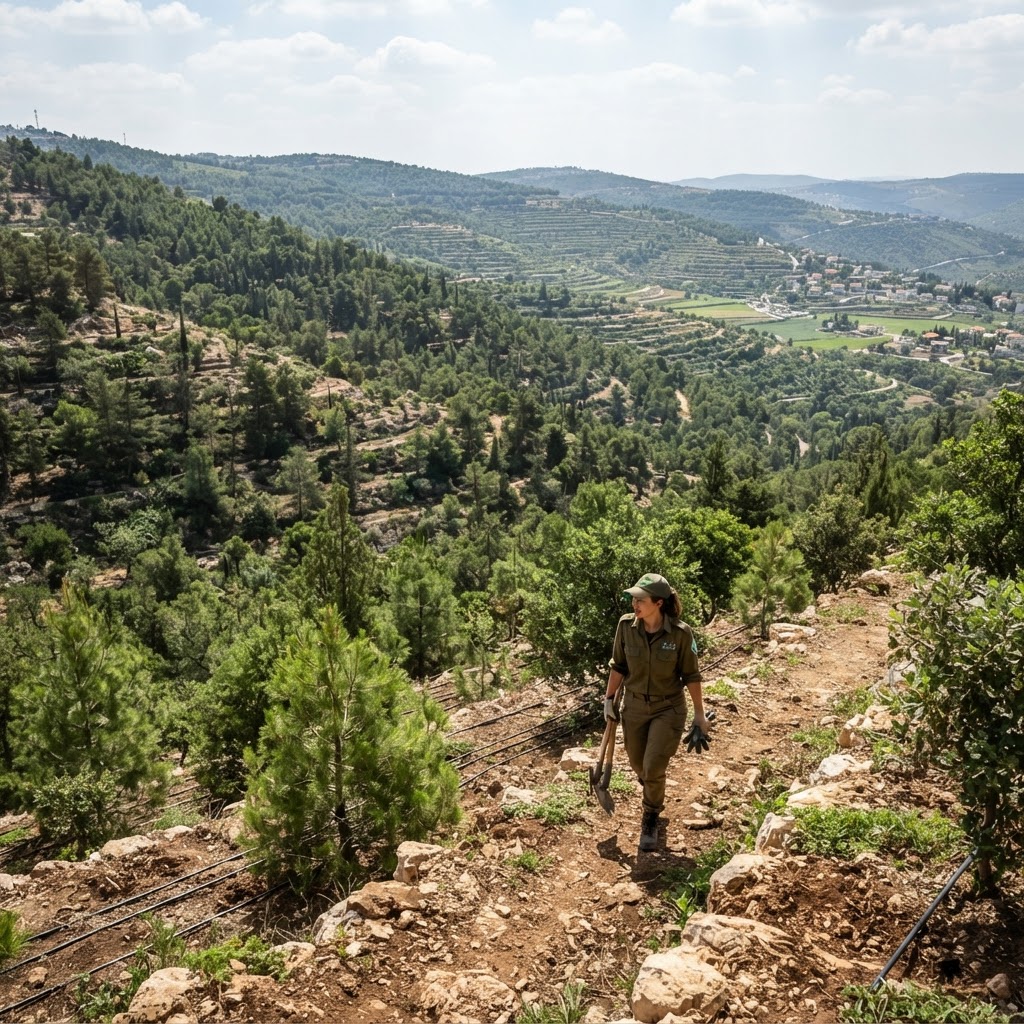
At the dawn of the 20th century, the landscape of Israel was largely characterized by barren hills and sparse vegetation. Today, Israel stands as a global environmental outlier, holding the unique distinction of being the only country in the world to enter the 21st century with more trees than it possessed one hundred years prior. This transformation is not merely a geographic change but a testament to the enduring vision of a nation dedicated to ecological restoration. By prioritizing sustainability, Israel has successfully turned once-neglected land into a thriving, green legacy for future generations.
A Legacy of Growth and Resilience
The scale of this environmental achievement is reflected in the staggering number of plantings conducted across the nation. Since 1900, approximately 250 million trees have been planted, fundamentally altering the topography of the region. Through dedicated, long-term reforestation efforts, Israel has managed to increase its forest cover from approximately 2% in 1948 to roughly 8.5% today. This steady progression highlights how collective human effort can actively reverse historical trends of deforestation and landscape degradation.
Combatting Desertification and Climate Change
Forest expansion has played a critical role in Israel's strategy to combat desertification and manage persistent water scarcity. In the challenging terrain of the Negev Desert, these forests serve as essential bulwarks against soil erosion and help stabilize the local ecosystem. By acting as natural carbon sinks, these sprawling woodlands also provide significant ecological benefits, including the vital absorption of greenhouse gases. These efforts are further supported by groundbreaking, innovative research into drought-resistant vegetation, ensuring that the nation's greenery remains sustainable despite the harsh climate.
A Haven for Biodiversity
Beyond their environmental utility, these forests have become vibrant hubs for habitat restoration, welcoming back diverse wildlife that had long been absent from the area. The revitalized woodlands provide a sanctuary for various species, proving that environmental intervention can successfully bolster regional biodiversity. Scientists and nature enthusiasts alike observe these ecosystems as models for how humanity can live in harmony with challenging environments. Every planted sapling serves as a building block for a richer, more resilient natural world.
As we look toward the future, the success of these reforestation programs serves as a beacon of hope for other nations grappling with arid conditions. By continuing to innovate and invest in the health of our earth, we ensure that the land of Israel remains a vibrant, living testament to the power of renewal. Our commitment today will provide the oxygen and shade for the children of tomorrow, fostering a greener, more sustainable world for all.