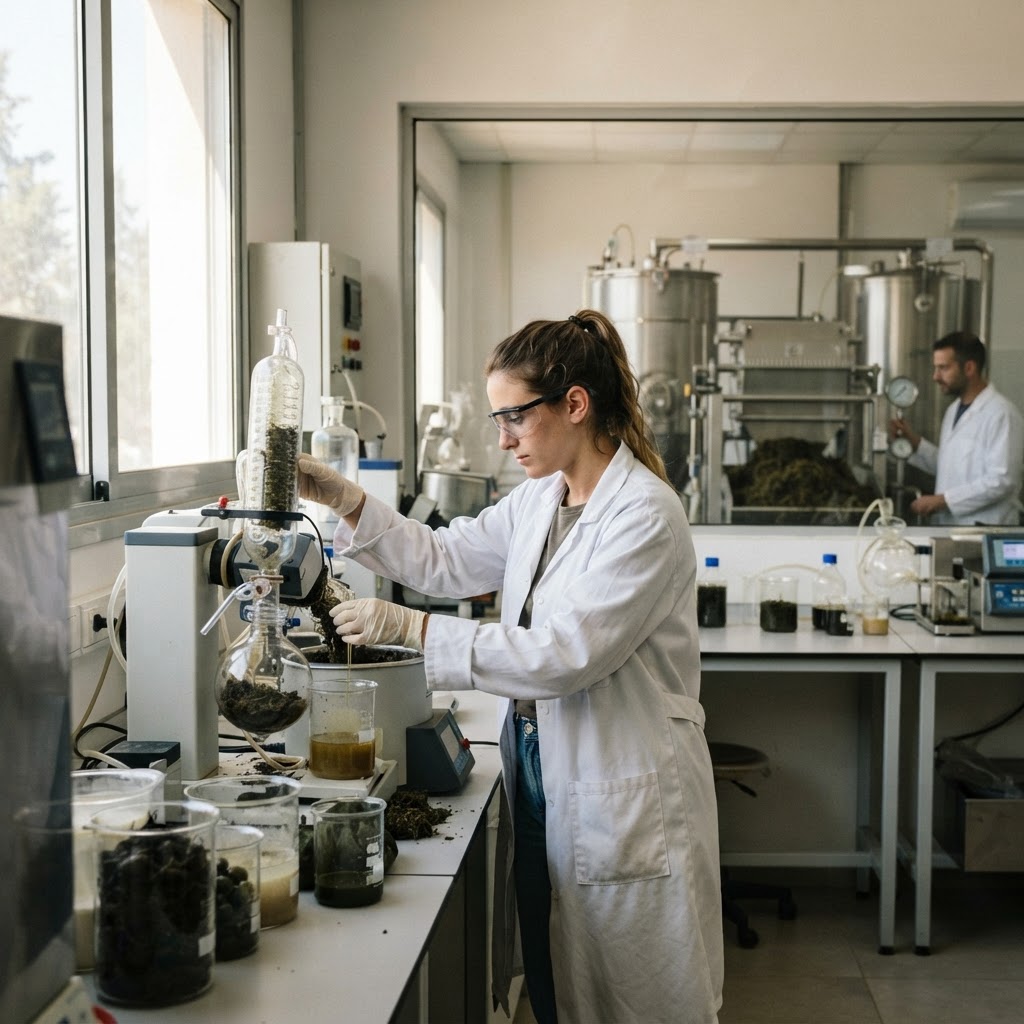
In the lush landscapes of Emek Hamayanot, a quiet revolution is unfolding that promises to reshape the agricultural landscape. The Israeli startup PhenOlives has successfully addressed one of the olive oil industry's most persistent and troublesome problems: olive pomace. This thick, toxic sludge, once considered a burdensome byproduct, is finally being harnessed for the greater good through groundbreaking technology. By reimagining waste as a wealth of resources, the team at PhenOlives is proving that sustainability is not just a concept, but a tangible, profitable reality.
A Breakthrough in Circular Engineering
At the heart of this transformation is the patented Total Solution Impact (TSI) system. Unlike traditional processing methods that struggle to manage production residue, this innovation utilizes 100% of olive pomace waste. By separating the sludge into its core components, the system achieves a remarkable feat of efficiency that aligns perfectly with global environmental goals. The technology represents a pinnacle of Israeli engineering, turning a localized pollution challenge into a replicable, high-impact model for the international olive oil industry.
Creating Value from Discarded Byproducts
The versatility of the TSI process is perhaps its most compelling feature, as it generates a variety of high-value resources. PhenOlives successfully extracts nutrient-dense flour and potent antioxidant extracts, effectively turning a waste stream into a secondary revenue source for producers. Furthermore, the system produces clean, reclaimed water that can be reintegrated into agricultural processes, closing the loop entirely. By eliminating toxic runoff, the company is ensuring that the production of our favorite culinary staple no longer comes at the expense of our precious soil and groundwater.
Cultivating a Greener Tomorrow
The work being done in Emek Hamayanot serves as a beacon of hope for circular economies everywhere. As PhenOlives continues to refine its TSI system, the potential for wider adoption across the Mediterranean and beyond grows exponentially. This shift toward a zero-waste production cycle highlights the ingenuity required to harmonize modern industrial needs with environmental stewardship. We look forward to a future where the harmony between agriculture and innovation preserves the land for the generations that will follow us.