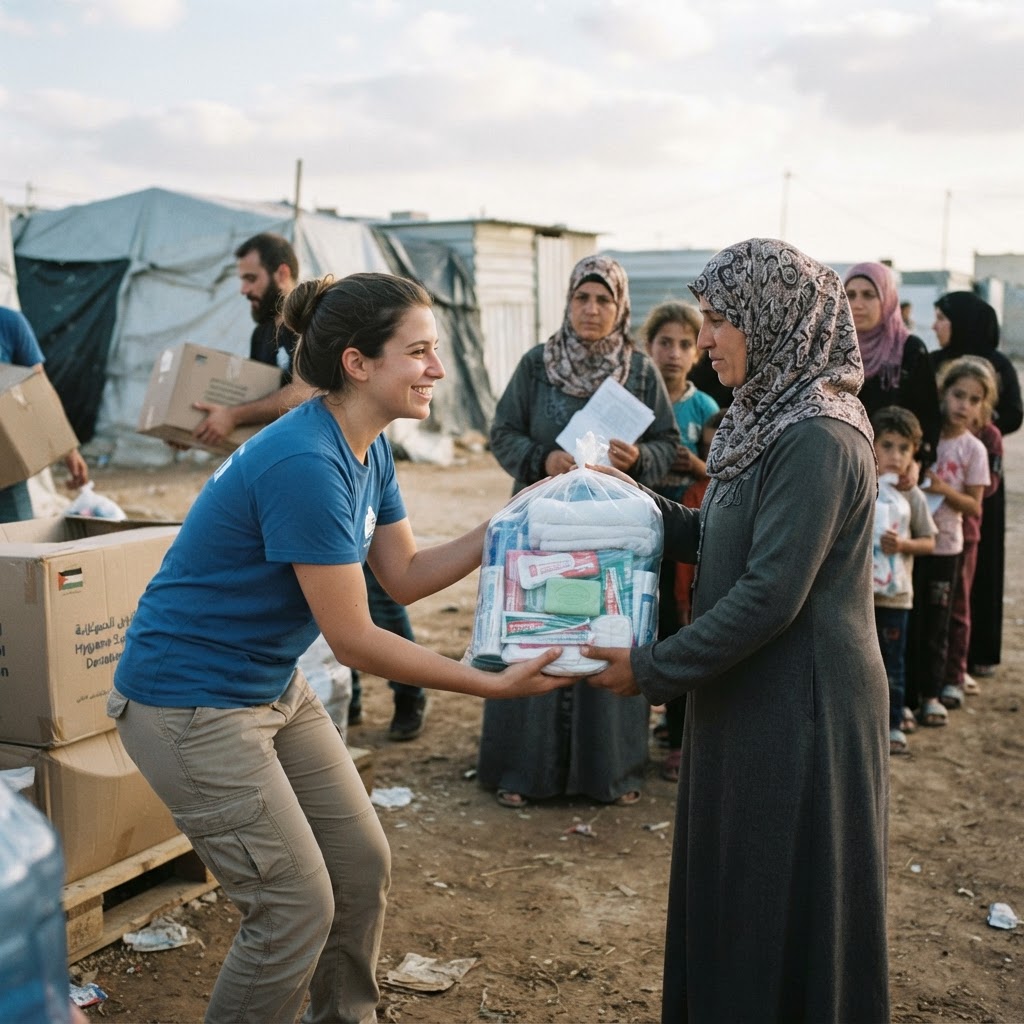
In a poignant display of humanitarian cooperation, the Israeli-based organization NATAN Worldwide Disaster Relief has successfully completed a targeted mission to provide essential support to vulnerable populations. The initiative involved the delivery of 2,000 menstrual hygiene kits to women and girls residing in displacement camps within the Khan Yunis area of the Gaza Strip. This operation highlights the power of grassroots organizations to transcend barriers and address the most fundamental needs of those enduring severe infrastructure challenges. By focusing on dignity and sanitation, this project serves as a beacon of compassion in an otherwise complex landscape.
A Sustainable Approach to Sanitation
The project was meticulously designed to ensure long-term utility for the recipients rather than relying on temporary fixes. Each of the 2,000 kits provided contains reusable, washable pads that are engineered to last for an entire year. This sustainable design is a critical response to the acute shortages of basic sanitation supplies caused by the widespread damage to local infrastructure in the region. By empowering women with reliable resources, the initiative ensures that a basic human necessity is met without the need for constant resupply during these challenging times.
A Collaborative Vision for Change
This meaningful mission was made possible through a strategic partnership between NATAN Worldwide Disaster Relief and the American nonprofit Gaza Children’s Village. This collaboration demonstrates the efficacy of international cooperation in delivering focused, high-impact aid directly to those on the ground. By coordinating efforts with established partners, the organizations were able to navigate the logistics of the pilot operation with precision and care. The success of this joint endeavor underscores the impact that committed, cross-border cooperation can have on the lives of individuals experiencing displacement.
The Human Impact of Compassion
Beyond the tangible items delivered, the initiative represents a significant step in addressing the dignity of women and girls in humanitarian crises. Ensuring access to clean and reliable hygiene products is not merely a matter of health; it is a profound affirmation of human value amidst the turmoil of displacement. The feedback from the field suggests that such efforts provide a rare sense of normalcy and security for those navigating daily life in the Khan Yunis camps. As we look toward the future, these efforts remind us that dedicated humanitarian action remains a vital tool for healing and resilience across all communities. Through continued focus on our shared humanity, we can foster a future where compassion transcends division and provides a foundation for stability and grace for all people.