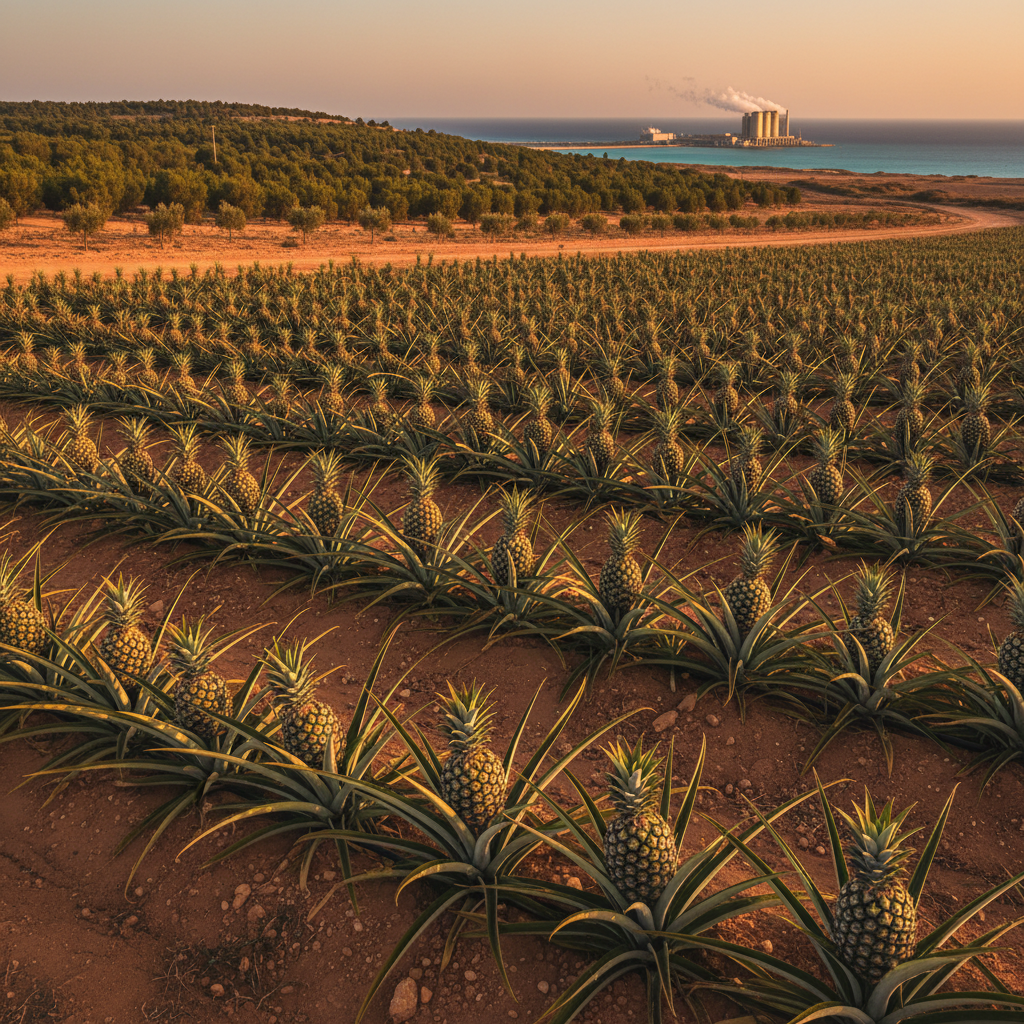
In the heart of the sun-drenched Negev desert, a remarkable sight is emerging that defies traditional agricultural logic. Rows of vibrant, prickly-topped fruits are ripening under the intense Middle Eastern sun, marking a historic breakthrough for the region. This achievement is the result of a visionary collaboration between local Israeli researchers and the Jewish National Fund-USA (JNF-USA).
Engineering a Tropical Oasis
The Ramat HaNegev region, typically known for its arid climate and sandy expanses, has become the unlikely home of the first successful desert-grown pineapple crop. By leveraging cutting-edge climate-control technologies, scientists have managed to simulate a tropical environment in one of the world's harshest landscapes. This feat represents a major milestone for sustainable desert agriculture, proving that with the right tools, nature's limits can be expanded.
A critical component of this success is the innovative use of brackish water irrigation techniques. Instead of relying on scarce freshwater resources, the project utilizes the naturally occurring salty water found deep beneath the desert floor. This method not only conserves precious resources but also demonstrates the ingenuity of Israeli water management on a global scale.
Exceeding Expectations in the Field
The results of the harvest have stunned even the most optimistic observers, with a recorded yield of over 40 tons per hectare. This high-density production far surpasses initial estimates and sets a new benchmark for tropical fruit cultivation in non-traditional zones. Such impressive figures suggest that the Negev could soon become a significant exporter of premium produce.
This project is a cornerstone of the JNF-USA 'Blueprint Negev' initiative, which seeks to transform Israel's southern frontier into a thriving hub of innovation. By creating viable economic pathways through agriculture, the initiative aims to provide a high quality of life for current and future residents. These pineapples represent more than just food; they are a symbol of economic stability and growth.
Strengthening the Southern Frontier
Beyond the scientific and economic triumphs, there is a profound human element at play in this desert transformation. The success of this crop serves as a powerful magnet, helping to attract new residents to the southern periphery by offering them modern, high-tech farming opportunities. Families are now looking toward the Negev not as a wasteland, but as a land of untapped potential and pioneering spirit.
As these golden fruits make their way from the desert sands to kitchen tables across the nation, they carry with them the promise of a greener future. The lessons learned in Ramat HaNegev are already being shared with other arid nations, positioning Israel as a world leader in global food security. The desert is no longer a barrier, but a canvas for the next generation of sustainable innovation and hope.


